

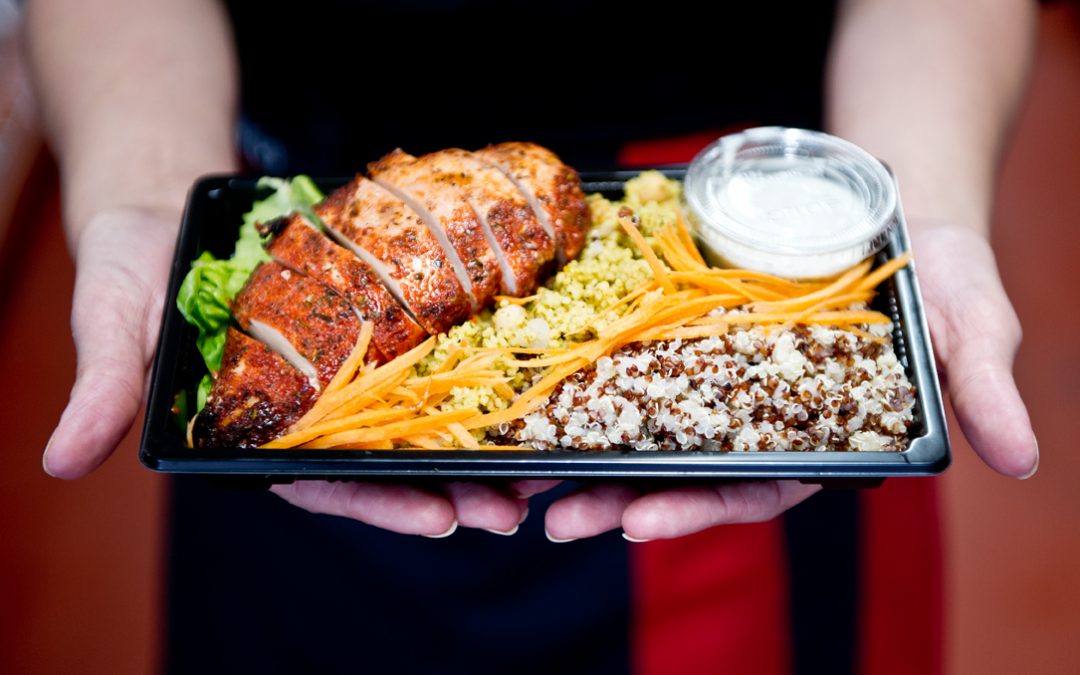



What businesses can expect from the next evolution of workplace catering.
Corporate catering has changed significantly over the past few years as workplaces adapt to new patterns of collaboration, technology and employee expectations. As we approach 2026, several emerging trends are beginning to take shape. These developments reflect broader shifts in how organisations operate and how they support their teams during meetings, events and shared time in the office.
While many businesses continue to prioritise quality, presentation and reliability, the next phase of corporate catering will introduce new expectations around sustainability, local sourcing, flexibility and digital integration. Understanding these trends can help companies plan more effectively and ensure that their catering choices remain aligned with modern working practices.
A Stronger Commitment to Sustainability
Sustainability has already become a central consideration for corporate clients, and this focus will deepen further in 2026. Businesses are expected to place even greater emphasis on reducing waste, choosing environmentally responsible suppliers and supporting caterers with sustainable operations.
Packaging will continue to shift towards reusable and compostable materials. Clients will also expect transparent information about sourcing and preparation, particularly from caterers who work closely with local suppliers. As environmental targets become more common across industries, catering choices will play a role in helping companies meet their goals.
This shift is driven not only by regulation or corporate reporting, but also by employee expectations. Staff increasingly value sustainable practices, and food often provides a visible way to demonstrate commitment.
Growth of Hyper Local Sourcing
Local sourcing has grown steadily in corporate catering, and 2026 is likely to see a stronger move towards hyperlocal supply chains. Businesses are recognising the benefits of shorter, more resilient supply routes. Caterers who partner with regional producers can offer fresher ingredients, reduced transport impact and greater transparency.
Hyperlocal sourcing also supports community connections. Companies that choose caterers invested in the region help strengthen the local economy and contribute to shared prosperity. This alignment between quality and community impact is becoming an important factor in supplier selection for corporate clients.
As interest in provenance continues to grow, local caterers will gain recognition for their ability to deliver authenticity and consistency.
Digital Planning and Smarter Ordering Tools
Technology is reshaping how office managers and PAs coordinate catering. By 2026, digital tools will play an even larger role in planning, tracking and adjusting orders. Online platforms will streamline communication, improve accuracy and simplify the process of managing catering for recurring meetings or changing attendance patterns.
These tools are expected to offer clearer information about dietary requirements, portion guidance and delivery schedules. Better forecasting will help reduce waste while ensuring that food quantities match the needs of the event.
Importantly, technology will support rather than replace personal service. While digital tools improve efficiency, corporate clients will continue to value the human elements of reliability, presentation and professionalism that define high-quality catering.
Catering for Micro Meetings and Scaled Events
As hybrid working stabilises, workplaces are likely to see a rise in micro meetings, where smaller groups meet at varying times throughout the week. These meetings may not require large buffets, but they still benefit from professional, well-presented catering.
This trend will lead to flexible menu formats that can be adapted easily for smaller groups without compromising quality. Pre-portioned options, compact displays and efficient packaging will become more common, allowing businesses to cater for focused discussions without unnecessary waste.
At the other end of the spectrum, companies will continue hosting larger events as they bring teams together for training, strategy sessions and celebrations. Caterers will need to offer scalable solutions that provide consistency and visual appeal regardless of group size.
More Inclusive Menus as Standard
Inclusivity has become an essential part of corporate catering, and this will expand further in 2026. Dietary requirements will no longer be viewed as exceptions. Instead, they will shape menu planning from the outset.
Plant-based options, allergen-sensitive selections and culturally inclusive dishes will be expected as part of standard offerings rather than special requests. Clear labelling and careful presentation will remain important elements in communicating that inclusivity.
This evolution supports a more welcoming and thoughtful environment. When all guests feel considered, the event is more likely to run smoothly and create a positive impression.
Presentation Continues to Influence Perception
Corporate clients increasingly view presentation as a reflection of their own standards, and this focus will continue to grow in 2026. Clean lines, structured layouts and high-quality serving ware will remain hallmarks of professional catering.
Food that is well presented captures attention, enhances perceived quality and contributes to the overall experience. As meetings and events remain key moments for collaboration and relationship building, presentation will continue to play a central role in shaping the atmosphere and expectation.
The psychology of visual appeal will influence how people engage with the food and with the meeting itself, making presentation a defining characteristic of modern catering.
Wellness Driven Catering
Employee wellbeing has become a priority for many organisations, and catering is an effective way to demonstrate this commitment. In 2026, businesses are expected to show increased interest in menus that support energy, focus and balance.
Fresh ingredients, lighter choices and nutrient-conscious options will grow in popularity. Rather than being framed as health initiatives, wellness-driven menus will simply become part of the standard expectations for workplace events.
This shift supports productivity and comfort, contributing to a more positive experience for attendees.
The Continued Value of Local Expertise
As expectations evolve, local catering companies are positioned well to meet the emerging needs of businesses. Their understanding of regional tastes, their relationships with suppliers and their ability to deliver a personal, reliable service give them a natural advantage.
Local expertise supports flexibility, sustainability and quality, all of which will be central to corporate catering in 2026. Businesses that partner with local providers will benefit from a service that reflects both their operational needs and their commitment to community values.
Preparing for the Year Ahead
Corporate catering in 2026 will build on current priorities while introducing new considerations shaped by technology, sustainability and workplace culture. Businesses that embrace these trends will be better equipped to create meaningful, efficient and well-supported meetings and events.
As expectations continue to rise, catering will remain a powerful way for companies to demonstrate professionalism, responsibility and care. The next year promises continued innovation and a deeper alignment between workplace values and the food served at corporate gatherings.