




Artificial intelligence is changing the way we work. It isn’t changing why people gather around a table.
It has been difficult to escape the conversation around artificial intelligence over the past two years.
Businesses are using AI to draft emails, summarise meetings, analyse spreadsheets and even prepare presentations. Tasks that once consumed hours can now be completed in minutes, allowing teams to work faster and more efficiently than ever before.
There is little doubt that technology will continue transforming the workplace.
Yet, for all the remarkable advances in automation, one aspect of business remains stubbornly human.
People still need people.
That might sound obvious, but it is becoming increasingly significant as organisations decide how and when employees come together in person. If routine tasks can be completed from anywhere, what makes gathering in the same room worthwhile?
Increasingly, the answer is collaboration. And collaboration has always been strengthened by something surprisingly simple.
Sharing food.
Technology Has Changed Meetings
Not so long ago, organising a meeting involved a surprising amount of administration. Diaries had to be checked manually, agendas written from scratch and notes typed afterwards.
Today, much of that work can happen automatically.
Artificial intelligence can suggest meeting times, generate agendas, transcribe conversations and produce concise summaries before attendees have even returned to their desks. Video conferencing has also become remarkably sophisticated, allowing colleagues to contribute from almost anywhere in the world.
For routine updates, this has been transformative.
Many meetings no longer require everyone to travel into the office simply to exchange information.
Information moves effortlessly through technology.
Relationships do not.
The Return of Time Together
As hybrid working has become established, many businesses have noticed something interesting.
Employees are generally happy to complete individual tasks remotely. They often prefer it.
When organisations ask people to come into the office, however, they increasingly expect those days to feel different. Nobody wants to spend ninety minutes commuting simply to join another video call from a meeting room.
Instead, office days have become collaboration days.
They are opportunities to solve problems together, welcome new colleagues, develop ideas and strengthen relationships that are difficult to build entirely through screens.
Those interactions rarely begin the moment someone opens a laptop.
More often, they begin over coffee.
Or breakfast.
Or lunch.
The Value of Eating Together
Long before boardrooms and office buildings existed, people gathered around food.
Across cultures and throughout history, sharing meals has represented trust, hospitality and community. The setting has changed dramatically over the centuries, but human behaviour has remained remarkably consistent.
Food slows conversations down.
It encourages people to pause rather than rush.
It creates natural opportunities for informal discussion that often continue long after the meeting itself has finished.
Many of the most valuable conversations in business happen before the agenda begins or after it officially ends. They happen while someone is making coffee, choosing lunch or chatting with colleagues they have not seen for several weeks.
These moments cannot be scheduled by software because they happen organically.
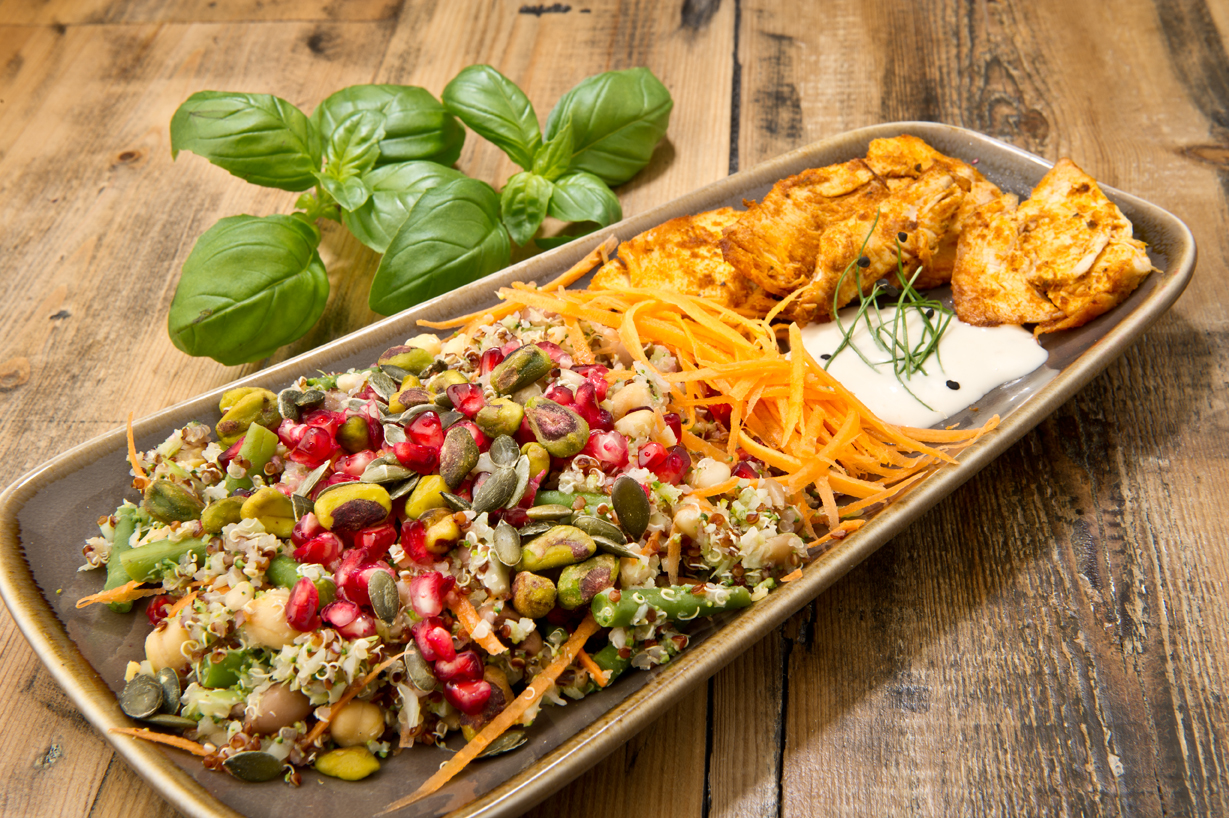
Corporate catering helps create the environment where those conversations naturally occur.
Hospitality Creates Better Business Conversations
There is another reason food continues to matter.
Hospitality changes the atmosphere.
Walking into a meeting room where breakfast has already been laid out feels fundamentally different from arriving in a room of closed laptops and silent chairs. The environment feels more welcoming, more relaxed and considerably more human.
Clients notice it.
Candidates notice it.
Employees certainly notice it.
Providing good business catering sends a subtle message that people have been expected and that their time has been valued. It demonstrates preparation without needing to say anything at all.
Like good hospitality in any setting, its success is measured by how comfortable it makes people feel rather than how much attention it attracts.
Efficiency Creates Space for Connection
Ironically, one of the greatest benefits of artificial intelligence may be that it allows people to spend more time doing the things technology cannot.
If AI reduces administration, employees have more time to collaborate.
If software writes the meeting summary, the meeting itself can become more conversational.
If technology removes repetitive work, organisations can focus more attention on creativity, relationships and strategic thinking.
Corporate catering supports exactly that shift.
It removes practical distractions, allowing people to remain together, continue conversations and make better use of the limited time they spend in the same place.
The Office Has a New Purpose
The office itself is changing.
For many organisations, it is becoming less about individual productivity and more about bringing people together. It has evolved into a place for collaboration, mentoring, innovation and relationship building.
That changes the role of corporate catering too.
Lunch is no longer simply a convenient way of feeding people during a long meeting.
It has become part of the reason people enjoy coming together in the first place.
Whether it is breakfast before a strategy session, lunch during a training day or refreshments at a networking event, food helps create an experience that cannot easily be replicated through a screen.
The Human Advantage
Artificial intelligence will undoubtedly become more capable.
Meetings will become easier to organise.
Administration will continue to shrink.
Technology will remove countless small tasks that once filled the working day.
Yet the qualities that define successful organisations remain remarkably unchanged.
Trust.
Relationships.
Conversation.
Shared experiences.
None of these can be automated.
As businesses across Manchester, Liverpool and beyond continue adapting to new ways of working, the organisations that thrive will be those that recognise the value of bringing people together with purpose.
Technology may organise the meeting.
People are still the reason it matters.
And sometimes, the best conversations begin long before the first agenda item, while everyone is simply deciding what they’d like for lunch.