



Long before the first handshake or presentation, your guests have already started forming an opinion.
We often think first impressions begin with introductions. In reality, they begin much earlier.
A visitor notices whether reception feels welcoming. They notice whether the meeting room is organised, whether the technology is working and whether people appear calm or rushed. If refreshments have been provided, they notice those too. Before a single slide appears on the screen, they’ve already begun building a picture of your organisation.
Corporate catering plays a surprisingly important role in that process. It rarely becomes the centre of attention, nor should it, but it quietly communicates something about the standards of the business hosting the meeting. The quality of the food, the way it is presented and the care taken over the smallest details all contribute to an impression that is often far stronger than many organisations realise.
Professionalism Is Communicated in Small Details
Businesses spend considerable time refining how they present themselves. Brand guidelines are carefully developed. Reception areas are designed to create the right atmosphere. Websites are polished, presentations rehearsed and meeting rooms prepared.
Food deserves the same level of consideration.
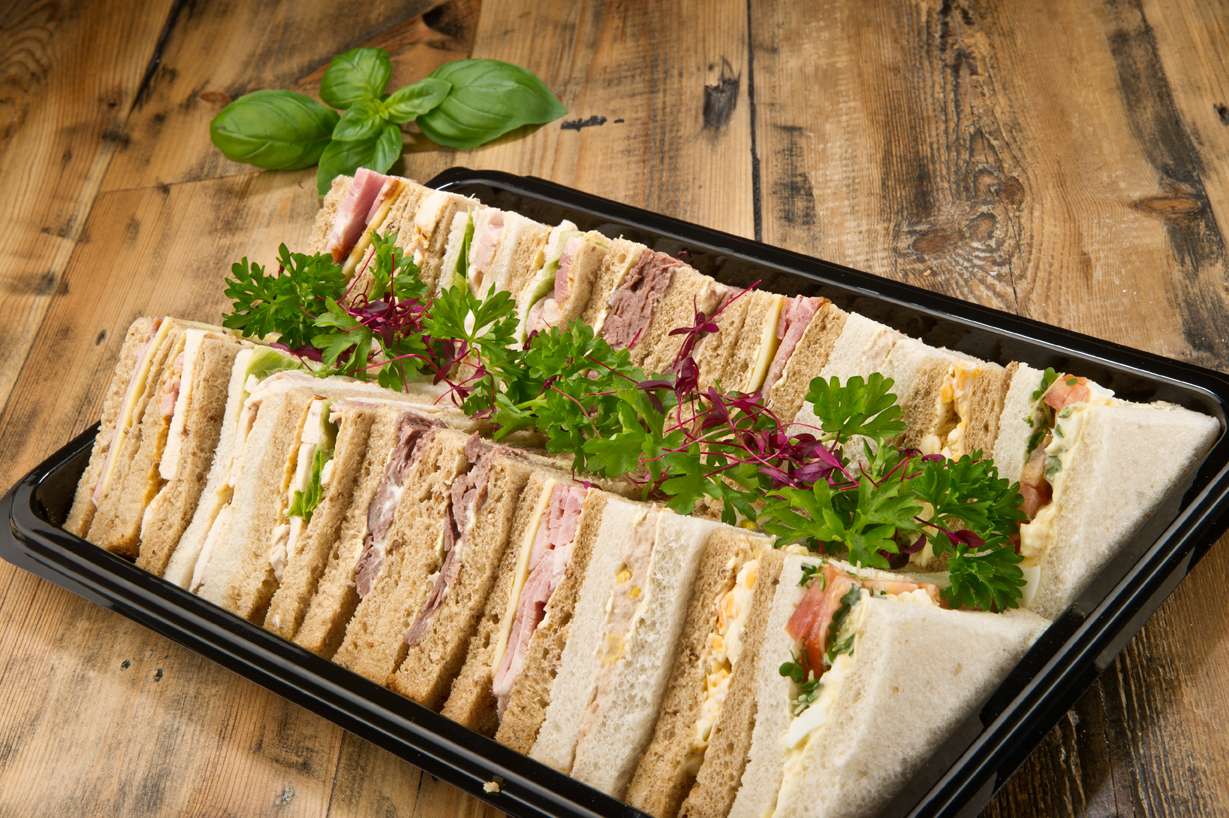
Imagine arriving for an important client meeting. On one table sits a collection of supermarket packaging, half-open drink bottles and sandwiches that have clearly been placed there in a hurry. In another room, the catering is arranged neatly on serving platters, dietary options are clearly labelled and everything has been prepared with obvious care.
The menu itself might not be dramatically different, yet the impression certainly is.
People instinctively associate organisation with competence. When something appears considered, they naturally assume similar care has been taken elsewhere. It is a psychological shortcut we all make, often without realising it.
The Psychology of Hospitality
Offering food has always been about more than satisfying hunger.
Across cultures and throughout history, sharing food has represented welcome, generosity and trust. Business may have changed dramatically over the years, but human behaviour has not changed nearly as much.
Providing good corporate catering tells guests that they have been anticipated. It says their time is valued and their comfort has been considered before they even arrived.
That subtle message helps create a more relaxed atmosphere, particularly during meetings where relationships are still being established. Clients become more comfortable. Candidates attending interviews feel more at ease. New employees feel genuinely welcomed rather than simply processed through an induction programme.
Good hospitality rarely announces itself loudly. Its value lies in making people feel comfortable without drawing attention to the effort behind it.
Employees Notice More Than You Think
The impact of professional catering extends well beyond visitors.
Employees quickly recognise whether their organisation invests in creating positive experiences. This isn’t about extravagant spending or luxury menus. More often, it is about demonstrating thoughtfulness.
A well-organised lunch during an all-day training session acknowledges that people have given up their normal routine. Breakfast at an early strategy meeting signals that the business appreciates the commitment required from those attending. Catering during collaboration days encourages colleagues to stay together rather than disappearing individually in search of lunch.
These moments contribute to company culture in ways that are difficult to measure but easy to recognise. People remember how they were made to feel.
Increasingly, organisations understand that culture is built through consistent actions rather than occasional grand gestures. Something as simple as well-organised business catering can reinforce those values every time teams come together.
Presentation Shapes Perception
There is a reason restaurants devote so much attention to presentation.
Numerous studies have shown that people consistently perceive food as tasting better when it looks appealing. The brain forms expectations before the first mouthful has even been taken, influencing the overall experience.
The same principle applies in corporate catering.
Neatly arranged platters, balanced displays and thoughtful presentation suggest freshness and quality before anyone begins eating. Conversely, untidy layouts or food left in retail packaging can unintentionally diminish the experience, regardless of how good the food actually is.
Presentation also affects behaviour. When food is organised logically, guests move around the room more naturally, queues are reduced and conversations continue without unnecessary interruption. Small details have surprisingly large consequences.
Consistency Builds Confidence
Perhaps the greatest compliment any corporate caterer can receive is that nobody needed to think about the catering at all.
Everything arrived on time.
The food looked exactly as expected.
Dietary requirements had been catered for.
The room was ready before the meeting began.
There were no unexpected problems to solve.
That level of consistency creates confidence, particularly for office managers and personal assistants responsible for organising events on behalf of senior colleagues. Knowing that one aspect of the day will simply work removes an enormous amount of unnecessary pressure.
It is one of the reasons many businesses eventually move away from arranging catering themselves. Reliability becomes every bit as valuable as the food itself.
A Reflection of Your Brand
Every interaction contributes to how a business is perceived.
The emails you send, the way your reception team answers the telephone, the quality of your meeting rooms and, yes, even the catering all become part of the same story.
Professional corporate catering is not simply about providing lunch. It is about reinforcing the standards your business wants to be known for. Attention to detail, organisation and genuine hospitality are qualities that people recognise instinctively, even if they never consciously mention them afterwards.
The best catering achieves something rather unusual. It supports the meeting without distracting from it. Guests leave remembering productive conversations and positive experiences, while the food quietly played its part in making both possible.
In business, that is often exactly what great service looks like.